Are you a gold medal winner when it comes to networking? Has your networking resulted in a golden set of contacts and placed you at the top of the podium compared to your peers?
Or maybe you’d step down and give yourself a silver or bronze medal. Or perhaps you’d only rate yourself as ‘unplaced’.
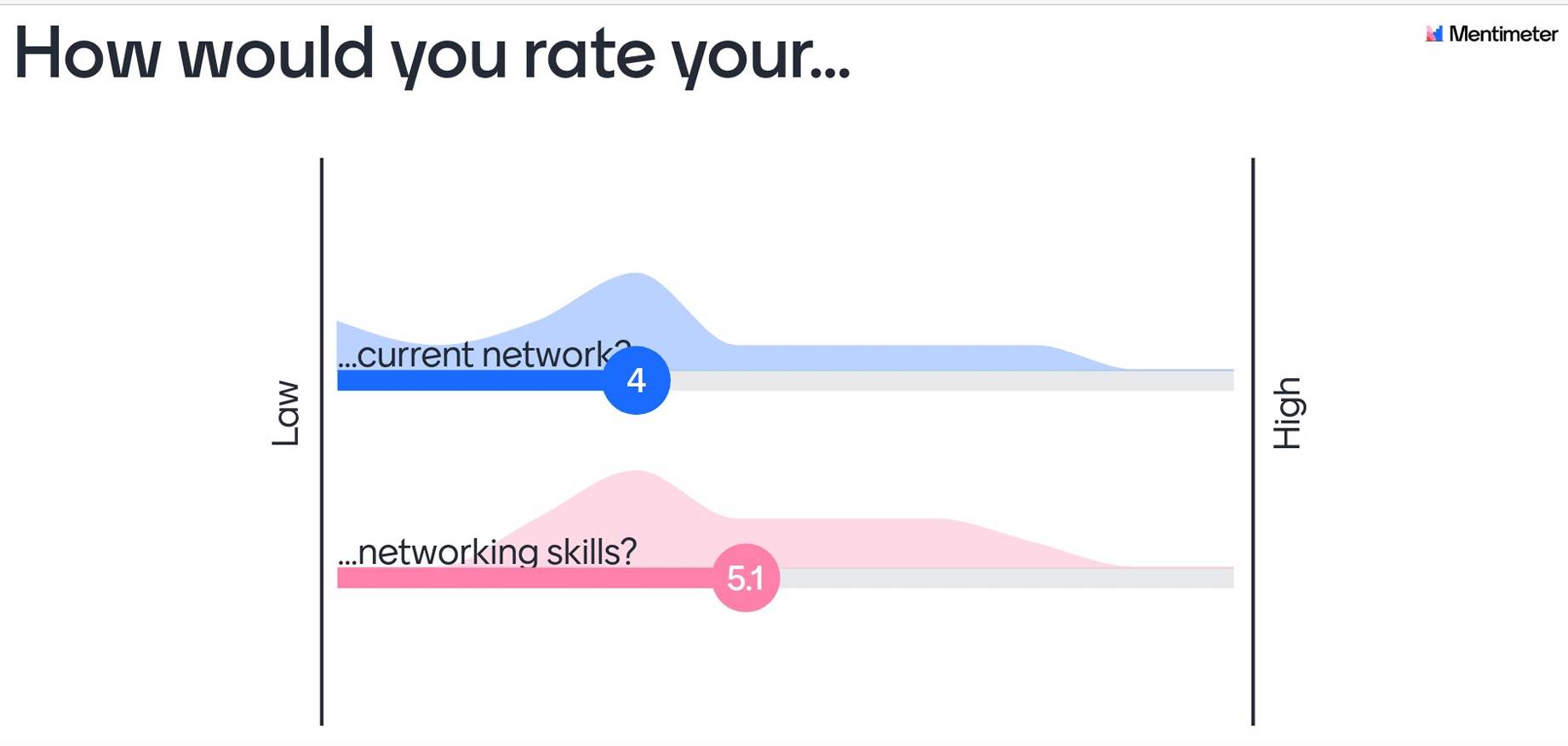
There’s a big difference between your networking skills and your current network. You may give yourself gold for networking, but if that hard work isn’t resulting in a network relevant to your career goals it may be time to consider putting your effort into a more targeted approach.
Conversely, you may have a golden network right now that is serving you very well, even though you’re not working particularly hard at it. However, will it still be fit for purpose this time next year, or as you move forward in your current career, or if you change career paths?
Last month I wrote a blog comparing researchers with footballers – this time it’s with athletes.
Gold medal athletes train all the time, every day. They don’t wait until a race is coming up before they start preparing. Similarly, networking is something that should, ideally, be worked at on a regular basis, not just at the point of changing jobs or looking for promotion.
And because it’s not so comfortable for many people, taking a purposeful approach will mean that you don’t get exhausted or overwhelmed. Just as athletes train for a particular sport, your networking needs to be directed towards your preferred career and its associated communities.
That might mean building on one you already have, such as your academic network, which is likely to consist of colleagues, collaborators, other researchers in the field, funders, learned societies and other relevant associations.
Or it could mean scanning more unfamiliar horizons, such as those connected with research in industry and other roles, e.g. medical communications, regulatory affairs or administrative, managerial and enterprising careers.
This is not to say you’ll ignore more random and happenstance interactions as you build your network, but, ideally, your networking should be targeted and purposeful so that it pulls you into relevant communities and brings you into contact with professionals who might be able to assist you with your career plans.
This could be alumni who have already entered the profession and can give you insights into the work environment and cultures, as well as tips to help you to gain entry, or to decide whether you really are interested in this career. It might be an employee that you meet at a conference, a potential employer or a new LinkedIn connection.
Your networking might be in person or online – the first is short-lived, intense, time-heavy and usually involves some financial investment. The second has a greater reach, is free in most cases, and allows you to contribute on a regular basis. Some people are more comfortable with conferences, whilst others prefer their networking to be done in an online setting. It depends on the set-up and situation.
So, if you only placed yourself in bronze position or even if you rated your current network as gold, but only silver in terms of your networking skills, what could you do to improve things? What type of ‘training’ would it involve?
Related blogs: Networking not working?
Are you conference ready?
Get engaged!